 ProEnzyme
Food manufacturing · Protein modification
Papain for Food Processing
Use food-grade papain as a processing enzyme where controlled protein breakdown can support texture, solubility or downstream handling.
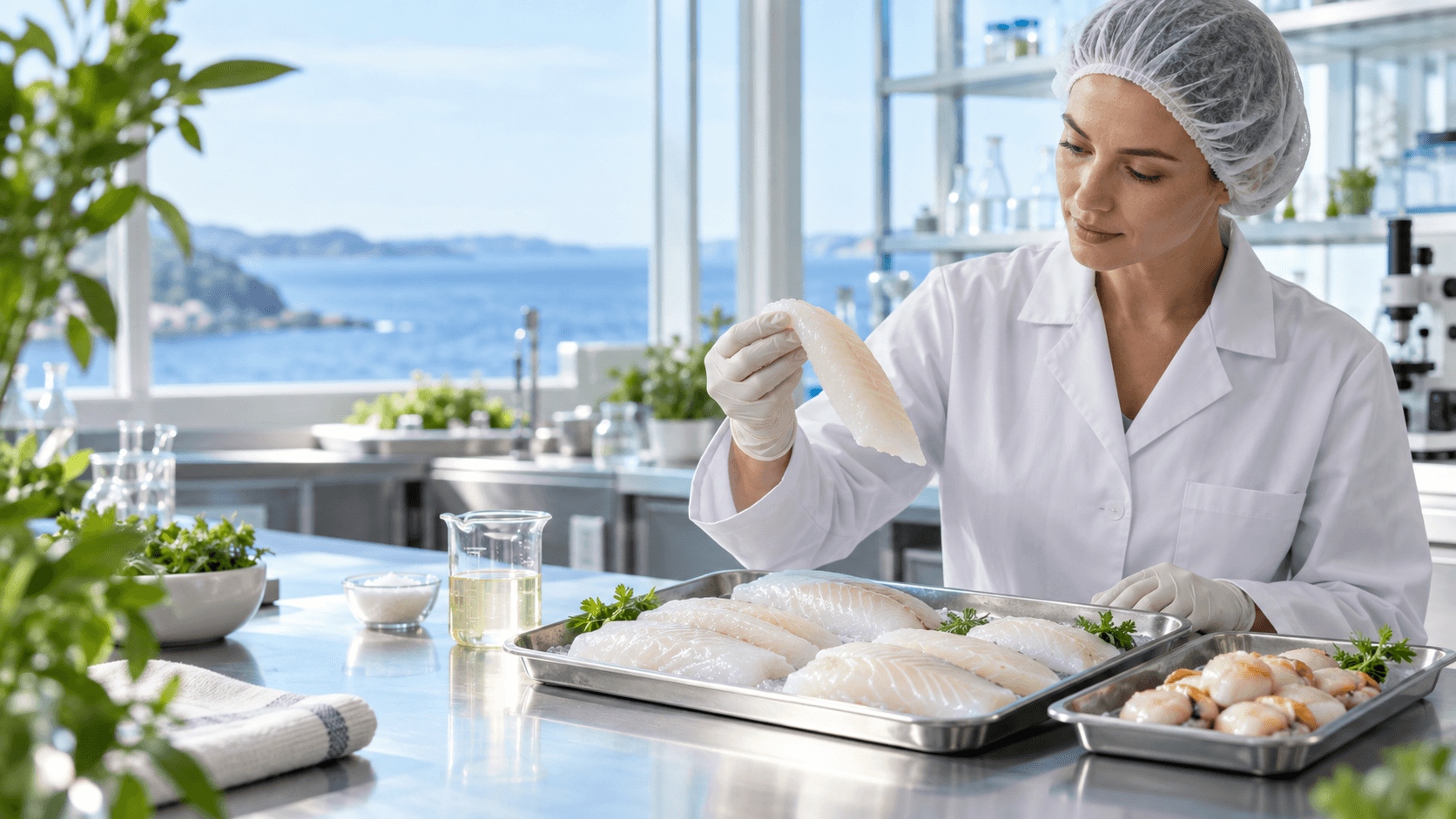
Defined
starting activity
Measured
process endpoint
Validated
final formulation
The processing challenge
Control the reaction, not just the dose.
Food systems contain fats, salts, carbohydrates and changing protein structures. These factors can make a successful laboratory condition behave differently in a real factory batch.
A practical development route
Define one measurable process goal, test several activity levels and include sensory, yield, microbiological and shelf-life checks before accepting the new process.
From bench to process
A four-step trial framework
Use this as a starting structure. Exact conditions should be confirmed against your substrate, equipment and product specification.
Set the target
Define the material, current result, desired improvement and the measurements that will decide whether the trial succeeds.
Choose the format
Select powder or liquid papain and confirm the activity method, grade, compatibility and required documents.
Run controlled trials
Compare several activity levels against an untreated control while keeping pH, temperature, mixing and contact time recorded.
Confirm at scale
Check quality, safety, regulatory status and process performance again when moving from the bench to production equipment.
Where it may fit
Application formats
- Broad activity across many food proteins
- Powder and liquid grades for different plants
- Useful for controlled trials in texture and solubility
- Documentation can be matched to the selected food grade
Operating factors to define
- Enzyme input
- Activity units, test method, product format and addition accuracy
- Process
- Substrate, pH, temperature, contact time, water and mixing
- Endpoint
- A measurable quality result plus safety and stability checks
- Compliance
- Grade, claims, labelling and permitted use in the destination market
Food-enzyme safety and permitted use are assessed by the relevant authorities and depend on the exact enzyme preparation, process and market.
Technical FAQ
Questions before a trial
Which papain grade fits papain for food processing?
The right starting grade depends on the substrate, activity method, process conditions and local rules. Share those details with ProEnzyme so powder, liquid, refined, stabilized, food-grade or feed-grade options can be reviewed.
Can ProEnzyme provide a universal dosage?
No responsible supplier should promise one dose for every process. Papain performance changes with activity, pH, temperature, time, mixing and substrate. Use a controlled trial to set the working range.
What documents can be requested?
Ask for the specification, batch COA, SDS, storage information and any grade-specific statements needed for your destination market. Availability depends on the selected product.

Start with your process
Let's frame a useful papain trial.
Share your substrate, process conditions, target result and destination market. Our team can respond with the right technical questions.